Lunar Calendar: The Moon’s Influence on Human Life
The History of the Lunar Calendar
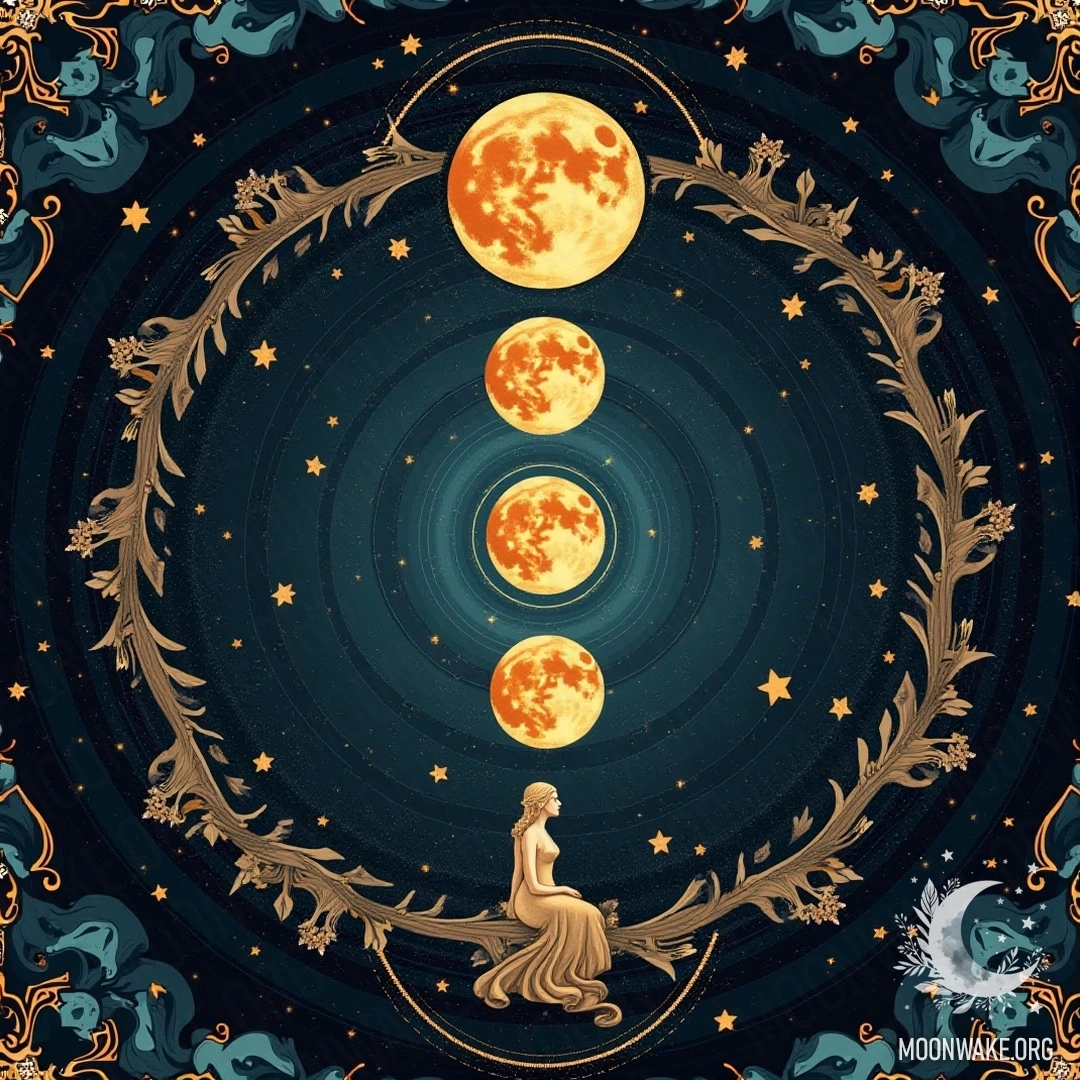
The Moon — Earth's mysterious satellite — has inspired humanity for millennia. Its phases, movements, and cycles have long been perceived as mystical, influencing both nature and people. Tides, plant growth, and even changes in mood have traditionally been linked to lunar rhythms.
The lunar calendar is a system of timekeeping based on the phases of the Moon. It helps track the lunar cycle and apply its rhythm to everyday life. Today, lunar calendars are used in gardening, cosmetology, medicine, business, and personal planning.
But how exactly does the Moon affect us? Why are some of its phases considered favorable, and others not? Let’s explore the history and principles behind the lunar calendar.
The lunar calendar predates the solar calendar. Ancient civilizations observed natural cycles and noticed patterns in the Moon’s phases, using them to organize time and activity.
Ancient Civilizations and the Moon
- The Sumerians were among the first to record lunar cycles and tie them to agricultural practices.
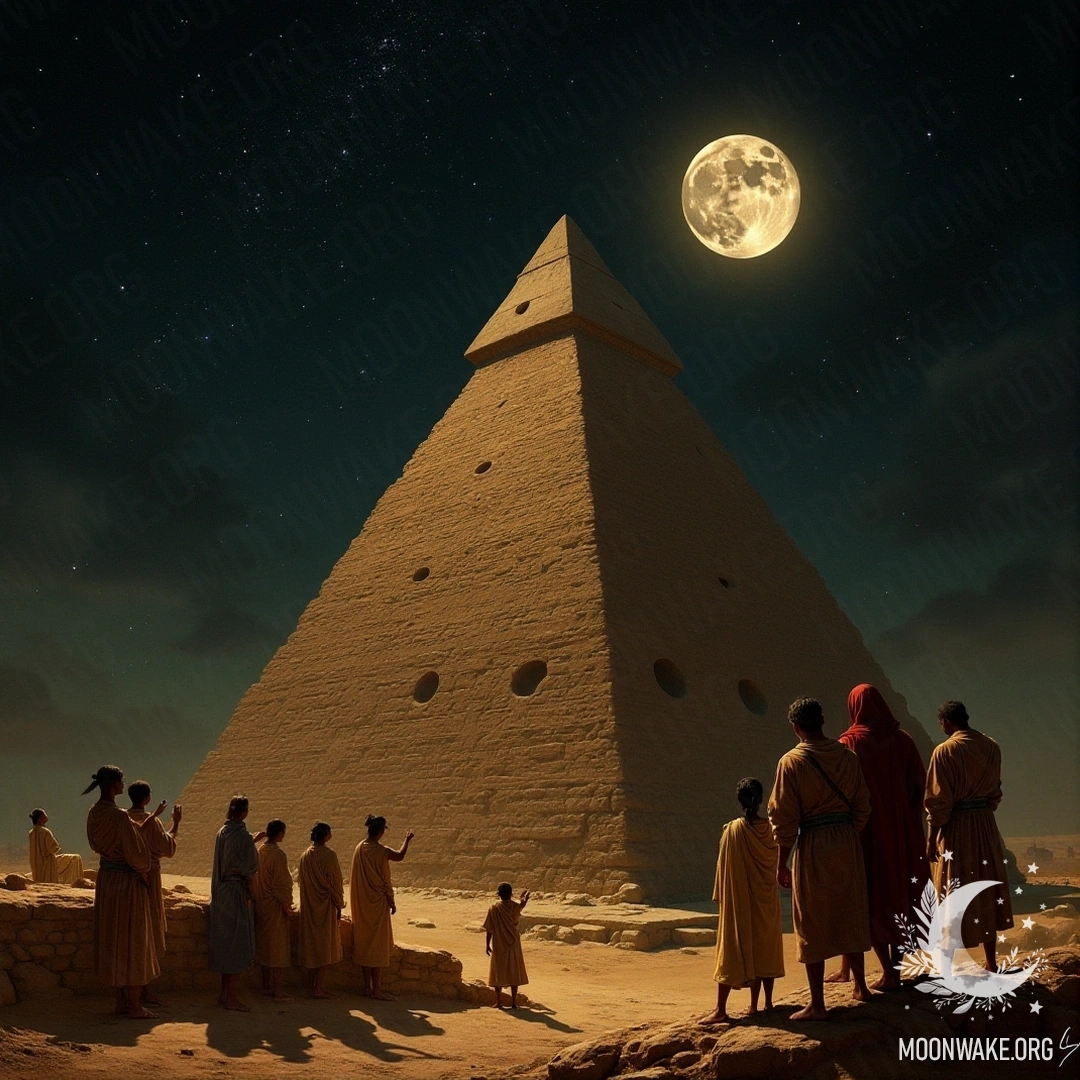
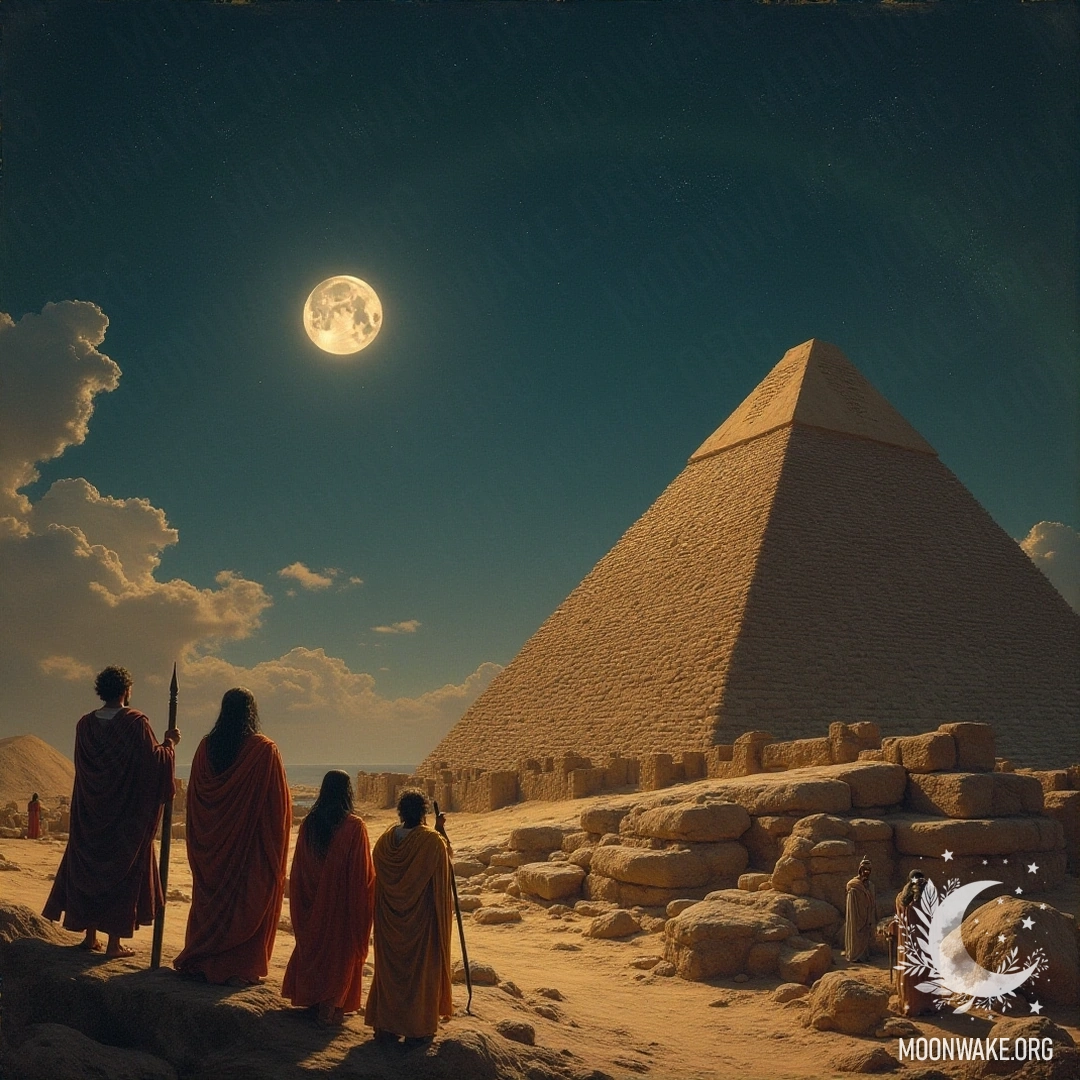
- The ancient Egyptians combined solar and lunar calendars to determine religious festivals and the timing of the Nile floods.
- The Chinese lunar calendar is still in use today for determining the Spring Festival (Chinese New Year) and other important dates.
- The Jewish calendar is based on lunar-solar cycles and determines the dates of religious holidays.
The lunar calendar was so important that in some cultures (like the Arab world), it was — and in many cases still is — the primary system of timekeeping.
Modern Forms of the Lunar Calendar
Today, the lunar calendar is easily accessible: in printed form, via mobile apps, or on websites. Modern versions often combine astronomical data with advice for various areas of life — from gardening to choosing an optimal day for signing important contracts.
Moon Phases and Their Meanings
Each lunar cycle lasts approximately 29.5 days and consists of four main phases. In many cultures, it is traditionally believed that each phase influences internal states and external events in specific ways.
New Moon
The new moon occurs when the Moon is positioned between the Earth and the Sun, making it invisible in the night sky. This is considered a time of inner renewal and setting intentions. It is an ideal period for planning, dreaming, and starting fresh projects.
First Quarter
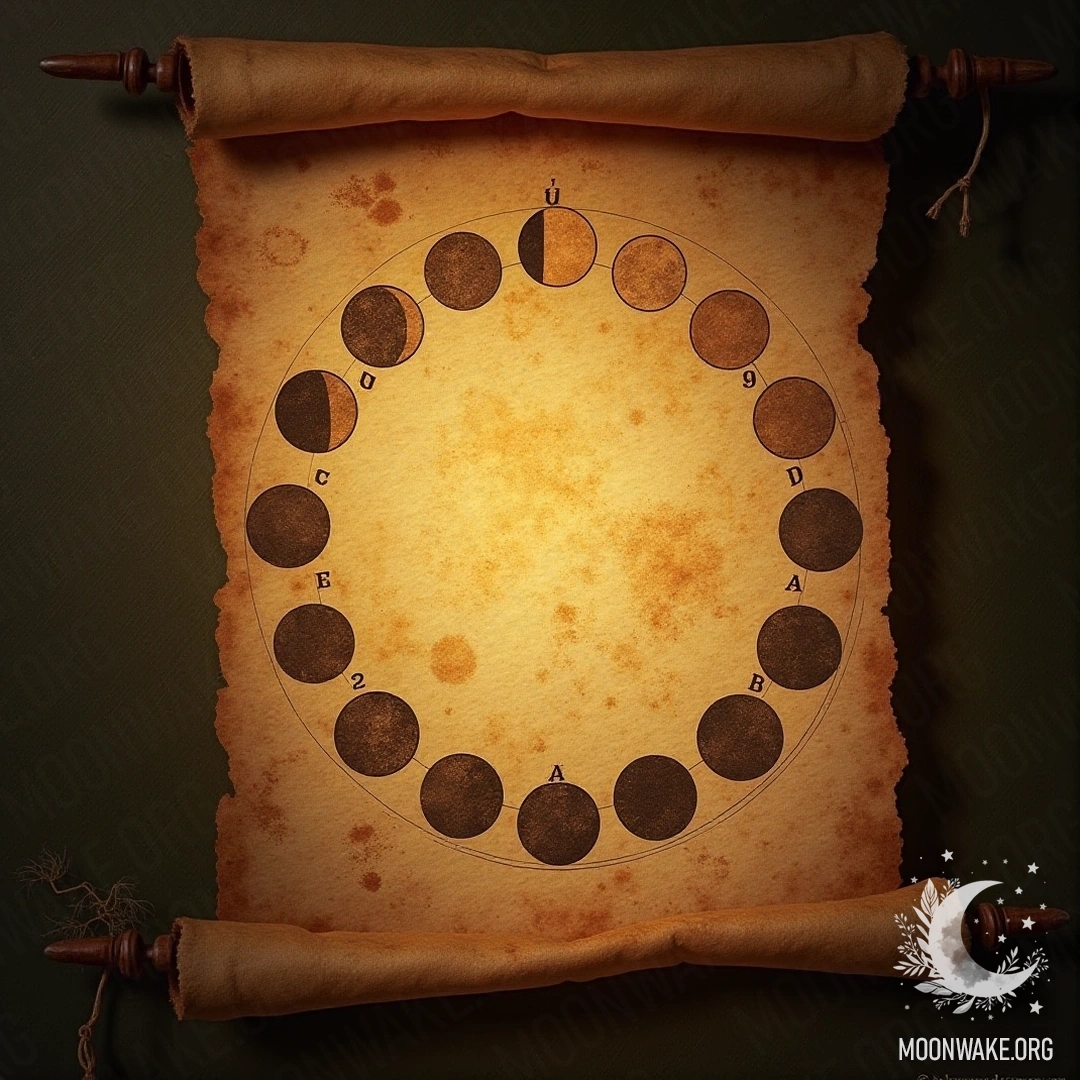
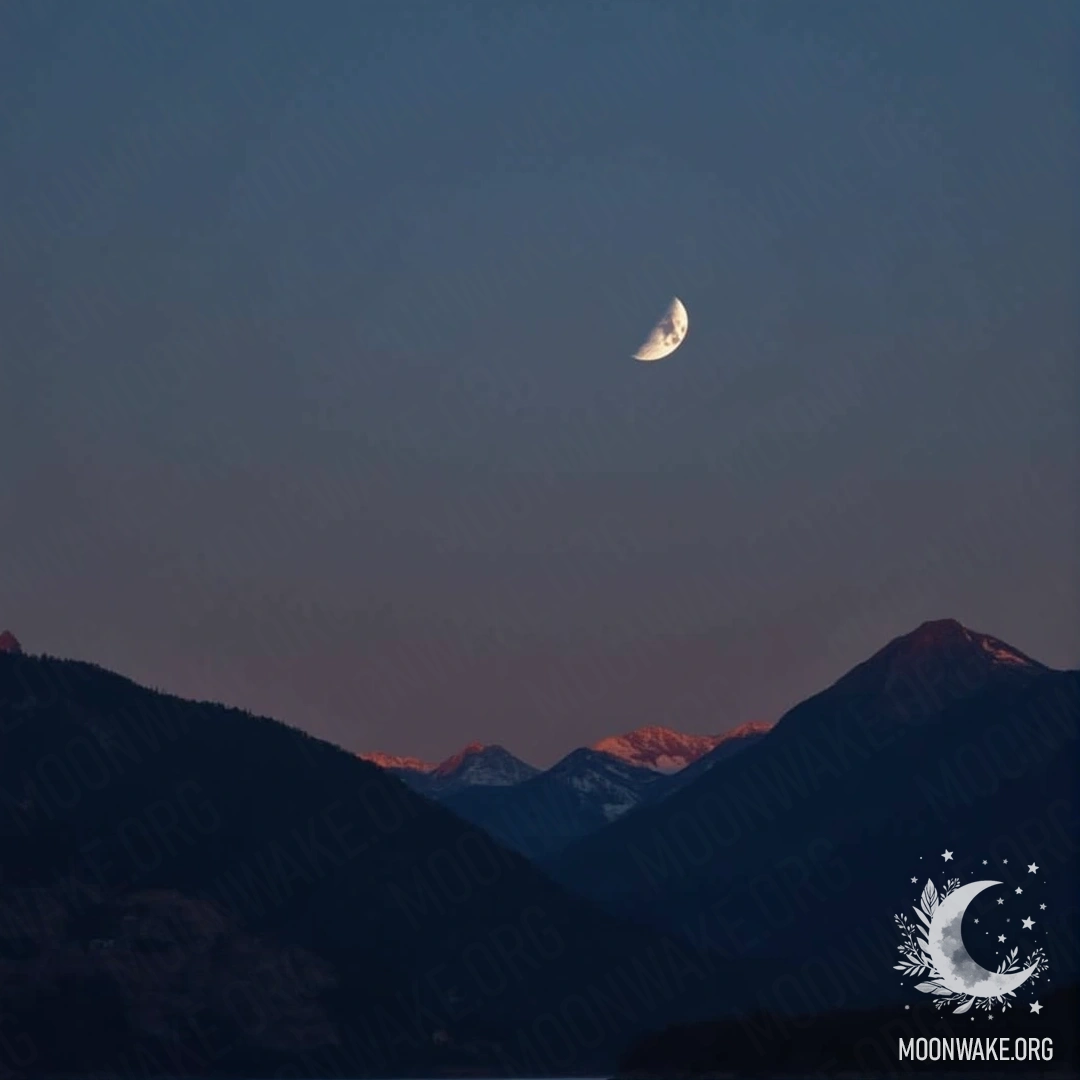
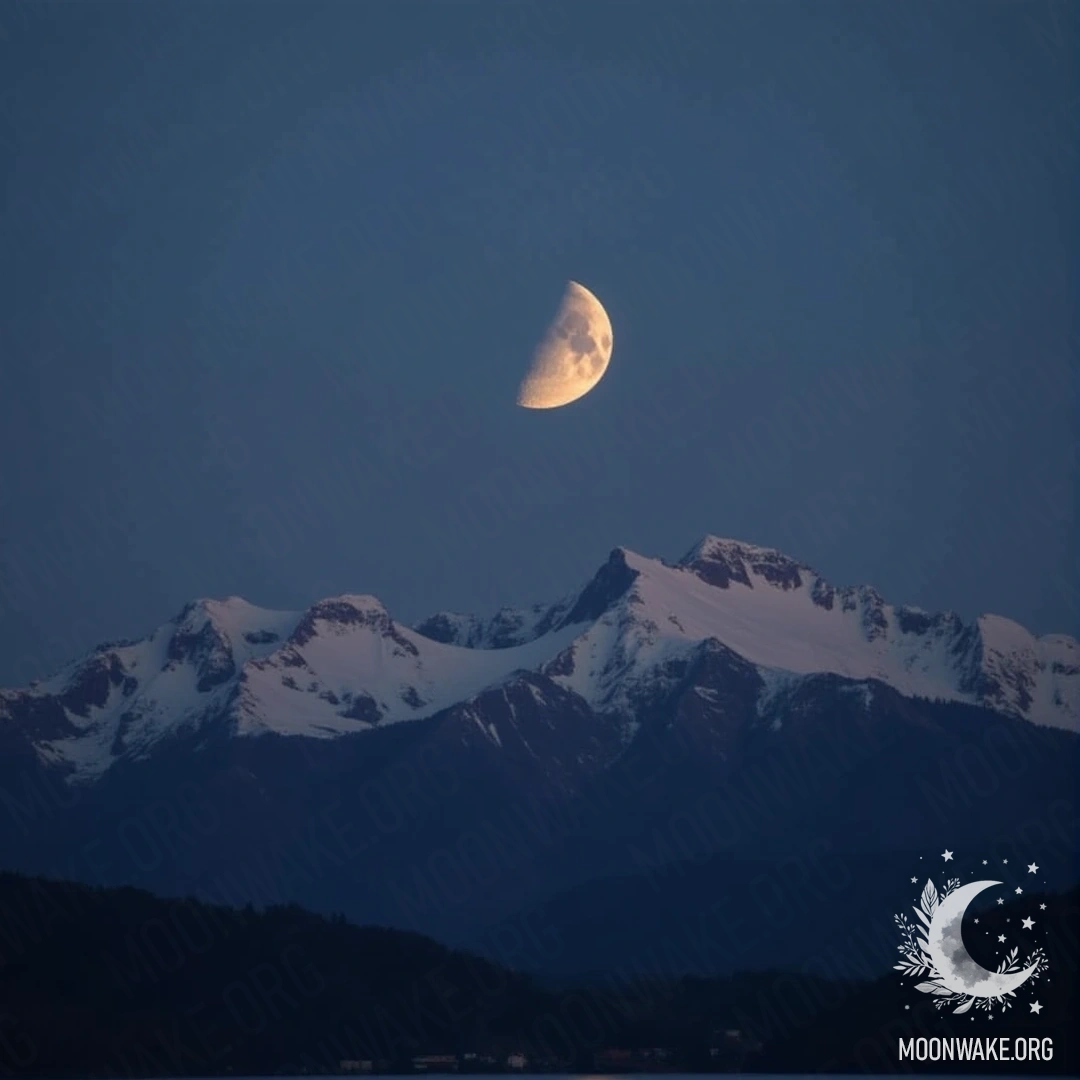
Roughly a week after the new moon, the first quarter begins. Energy builds, and momentum increases. This is a phase for taking action, making progress, and moving toward goals with clarity and strength.
Full Moon
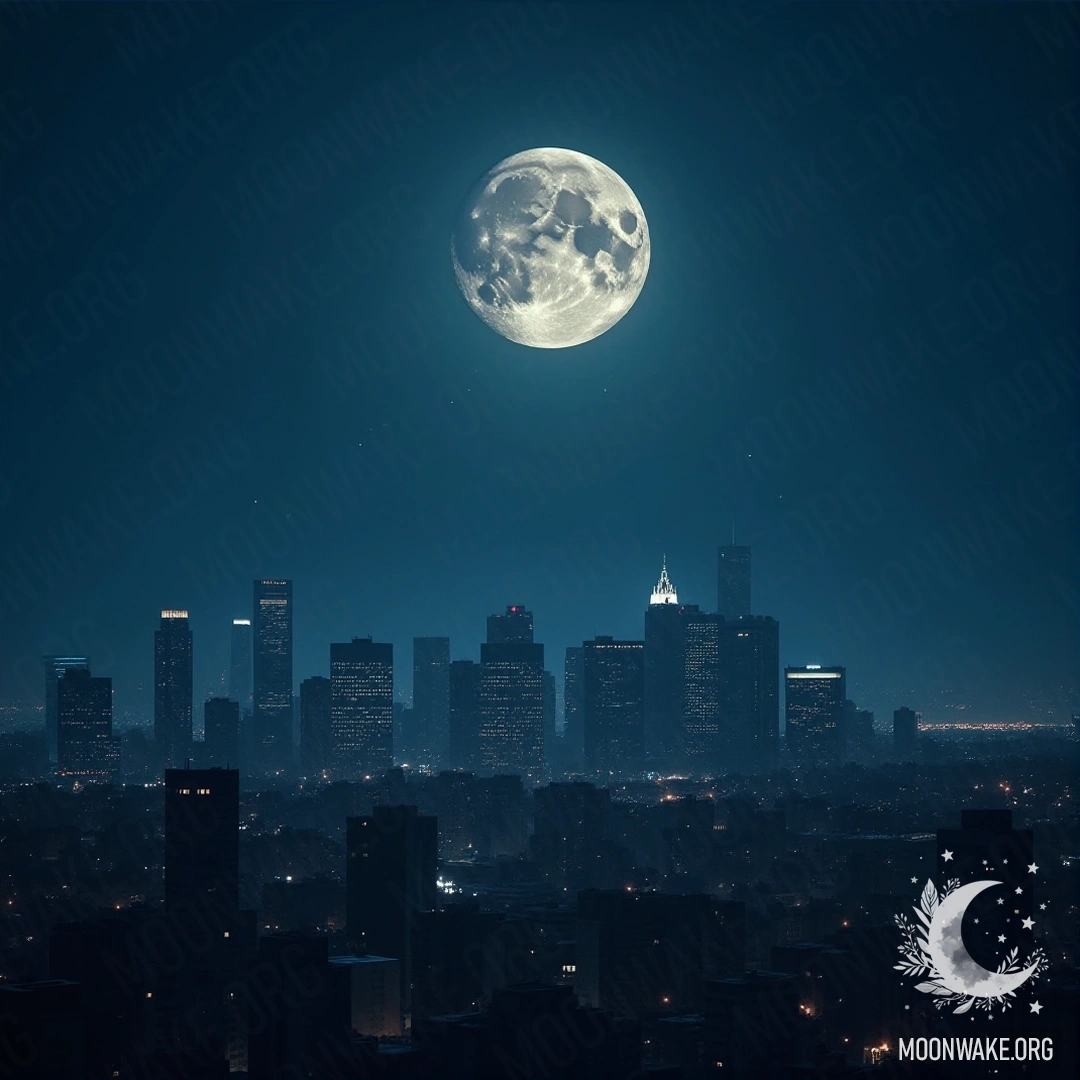
During the full moon, the Moon is fully illuminated and most visible. It is often associated with heightened emotions, culmination, and revelations. It is a powerful time for reflection, release, and gaining insight.
Last Quarter
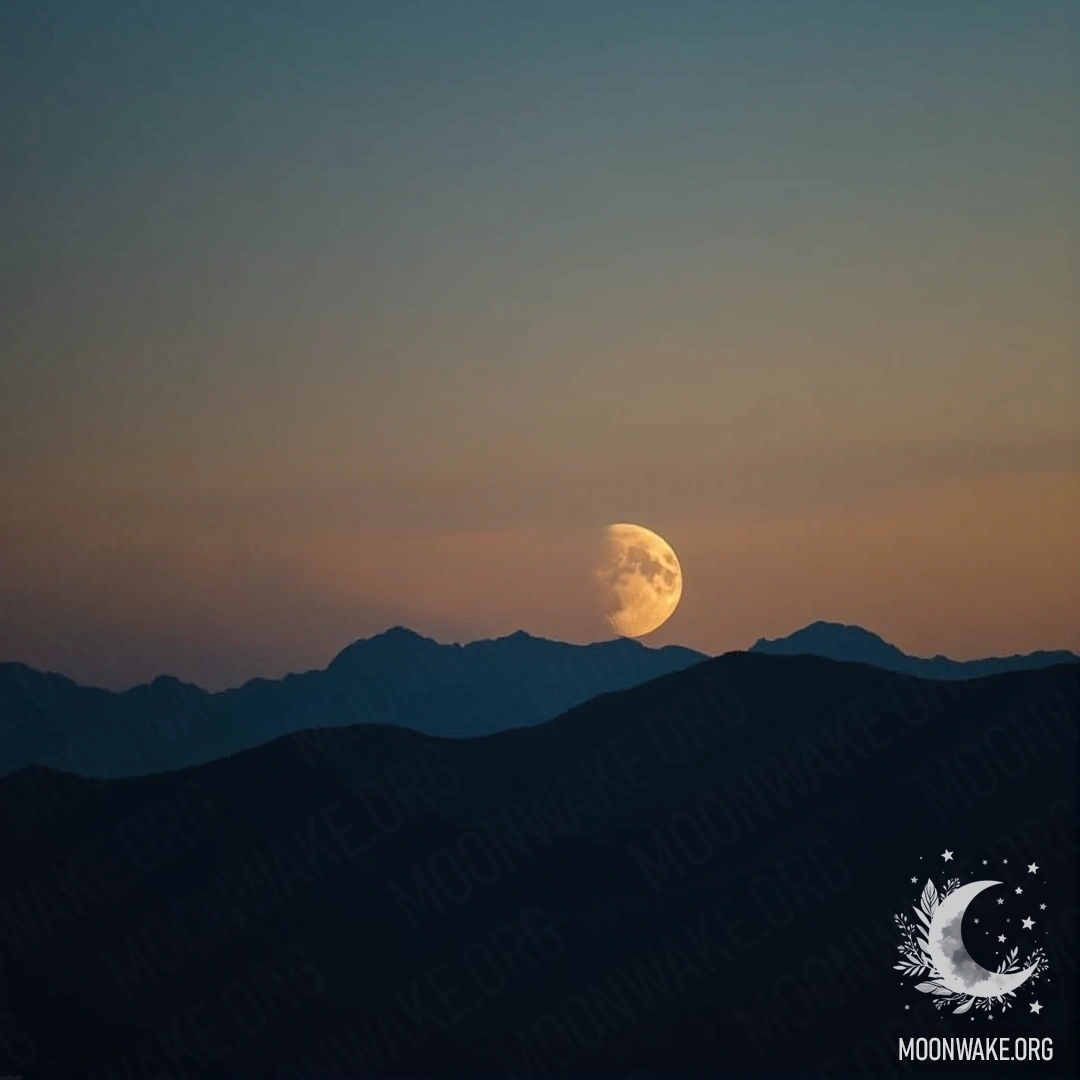
A week after the full moon, the last quarter phase begins. Energy begins to wane, and it’s seen as a time for completion, letting go, and preparing for the next cycle. Reflection and cleansing are encouraged.
Transitional Phases
Between the main phases are the waxing and waning periods:
- Waxing Moon — traditionally seen as a time to build, gather energy, and start new initiatives.
- Waning Moon — ideal for endings, purification, and breaking bad habits.
While the Moon’s effect on humans remains scientifically debated, many people find that aligning with its rhythms brings greater awareness and balance to daily life.
How the Lunar Calendar Affects Different Areas of Life
The lunar calendar influences many aspects of our lives, and each lunar cycle has its own significance depending on what we plan and how we align ourselves. For example, the moon phases can affect physical and psycho-emotional states as well as important decisions and undertakings.
Health and Well-being
The phases of the Moon directly impact our well-being and energy levels. During New Moons and Full Moons, many people experience exacerbation of chronic conditions or strong fatigue. This time is suitable for rest and recovery. Meanwhile, the First Quarter and Last Quarter are periods of activity, when physical exercise and health strengthening are recommended.
Mood and Psycho-emotional State
The Moon strongly influences a person's emotional state. Emotions often intensify during the Full Moon, while fatigue and mood dips can be felt in the Last Quarter. The Waxing Moon promotes positive changes and restoration, and the Waning Moon can be a time for cleansing and finishing unnecessary tasks.
Work and Career
The lunar calendar helps choose the most favorable days to start important tasks, sign contracts, or complete projects. The First Quarter activates the drive for success, and hidden opportunities may appear during the Full Moon. At the same time, the Last Quarter is a time for analyzing steps taken and preparing for a new stage.
Relationships and Family
The lunar calendar also influences our relationships. The New Moon is a time for starting new relationships and open conversations, while the Full Moon can bring heightened emotions and disagreements. This is a moment to practice tolerance and be ready for changes. The Waning Moon is suitable for resolving conflicts and finishing old unresolved situations.
Beauty and Self-care
Different lunar phases are favorable for various self-care procedures. During the Waxing Moon, it is beneficial to do treatments to strengthen hair and nails, and to start diets and fitness programs. The Waning Moon is a time for cleansing the body, detox masks, and recovery treatments after stress.
Finance and New Beginnings
The Waxing Moon is the best time to start new projects, make financial deals, and large purchases, as it is a period of accumulation and growth. During the Waning Moon, it is recommended to complete current financial matters, get rid of debts, and avoid unnecessary expenses.
Lunar Calendar in Gardening and Agriculture
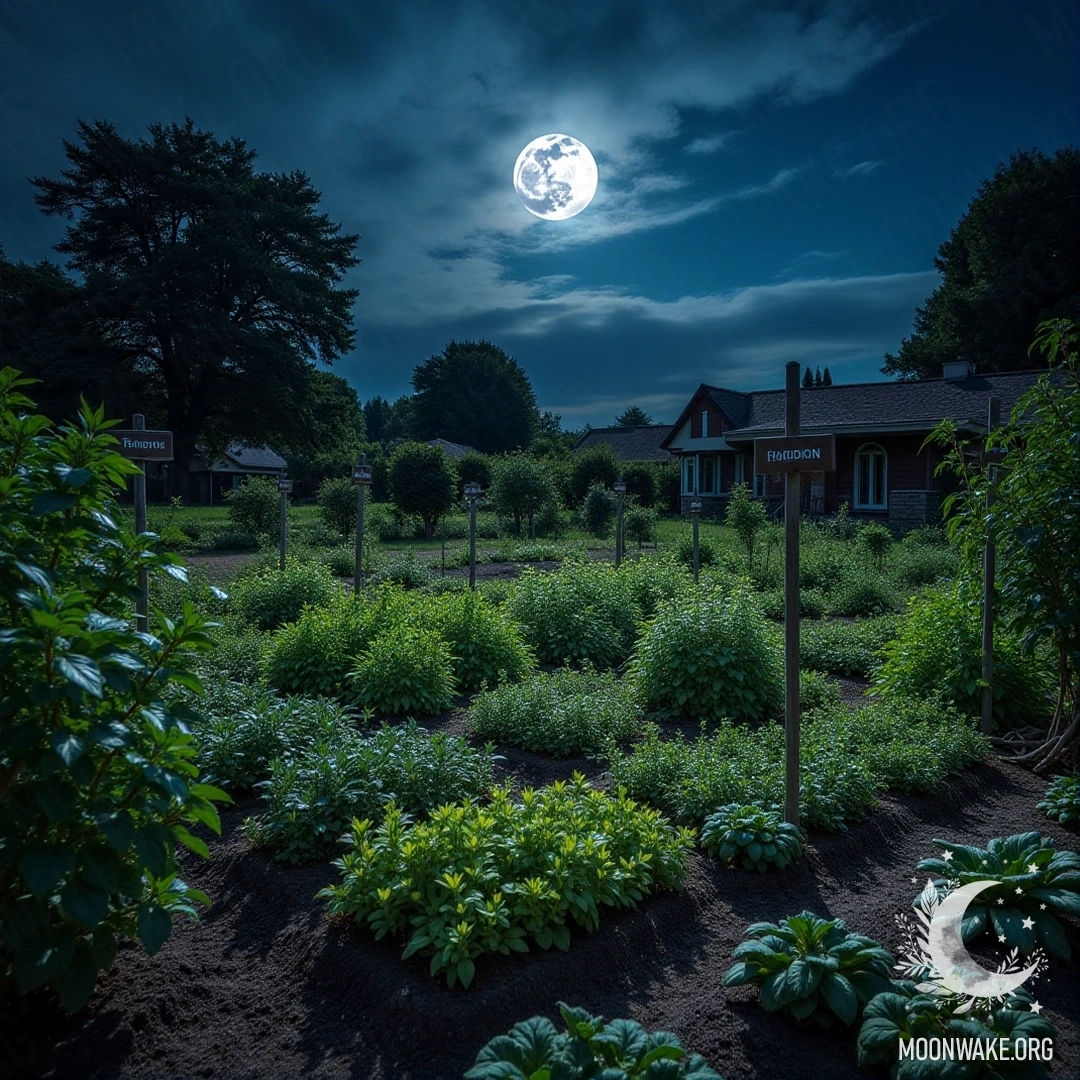
The lunar calendar plays an important role in agriculture and gardening. Natural cycles related to the phases of the Moon can significantly affect plant growth and crop yields.
When to Plant, Harvest, and Care for Plants According to the Moon Phases
- Waxing Moon — the best time to plant crops, as during this period the Moon’s energy promotes root growth and development.
- Waning Moon — time for plant care, pruning, and pest control. It is also recommended to harvest during this phase because plants are less susceptible to diseases.
- Full Moon — the time to harvest and complete gardening tasks. The Moon’s energy is at its peak, and plants usually have the highest nutritional value.
- New Moon — a period of rest for plants when active gardening work is not recommended.
Gardeners who follow the lunar calendar can provide optimal conditions for plant growth and increase crop yields.
Features of Lunar Days
Each day of the lunar cycle has its own energetic significance that affects our body and surroundings. Lunar days (or Lunar 24-hour periods) represent the time during which the Moon passes a specific section of its orbit around the Earth.
What Are Lunar Days?
Lunar days last about 24 hours and 50 minutes and begin when the Moon enters a new Zodiac sign. During this time, the Moon influences certain areas of life such as health, career, or relationships. Each Lunar day has its own characteristics.
Energy of Each Lunar Day
Each Lunar day has unique energy. For example, the 1st Lunar Day is the start of a new cycle, ideal for planning and decision-making. On the 14th Lunar Day, it is important to avoid conflicts and stress, as it is a day for finishing ongoing matters. The 29th Lunar Day is when the Moon’s energy peaks, suitable for cleansing and letting go of unnecessary things in life.
Most Favorable and Unfavorable Lunar Days
For different activities, there are more or less favorable days within the lunar cycle. For example, the 10th and 11th Lunar Days are ideal for starting new projects, while the 13th Lunar Day is considered unfavorable for major undertakings.
How to Use the Lunar Calendar Correctly
The lunar calendar is a powerful tool that helps synchronize our lives with natural rhythms. To use it most effectively, you need to follow a few simple rules.
Main Rules
To get the most benefit from the lunar calendar, it is important to consider the following recommendations:
- Consider the Moon phase: Start important tasks related to growth and development during the waxing moon, and leave task completion and letting go of the unnecessary for the waning moon.
- Choose favorable days: Check daily lunar calendar recommendations to find the best days for various activities (such as haircuts, signing contracts, or treatments).
- Listen to your feelings: It is important to not only rely on the lunar calendar but also on your internal state. If you feel uncomfortable or, conversely, full of energy during a certain moon phase, take that into account when planning your tasks.
How to Combine Lunar and Solar Calendars
The lunar and solar calendars can be used together for more precise planning. The solar calendar helps track years, months, and seasons, while the lunar calendar provides exact guidance on days of the month and moon phases. This way, you can create a more harmonious plan considering both calendars. For example, if you need to sign a contract during the waxing moon, it is better to also choose a favorable solar month when conditions for new beginnings feel right.
Tips for Beginners
If you are just starting to use the lunar calendar, here are a few tips:
- Start simple: Follow the moon phases and try to plan important actions depending on whether the moon is waxing or waning.
- Read recommendations: Many lunar calendars contain detailed advice for each day, helping you understand when it’s best to start or finish projects.
- Experiment: Don’t be afraid to try different ways of using the lunar calendar. As you better feel your connection with natural cycles, you’ll be able to plan your life more precisely.
Common Myths About the Lunar Calendar
There are many myths and misconceptions related to the lunar calendar. Many people believe that the influence of the Moon is something mystical and unverifiable. Let’s debunk some of the most common myths.
Myth 1: The Lunar Calendar Works Only for "Special" People
Many think that the lunar calendar is suitable only for people who believe in astrology or esotericism. In reality, the lunar calendar is a tool that helps every person synchronize their life with natural cycles, regardless of personal beliefs. It can be useful for health, planning, and optimizing many life processes.
Myth 2: The Moon Affects Only Nature, Not People
In fact, the Moon’s influence on humans is a well-established fact. Lunar cycles affect our emotions, health, and well-being. It is not magic but patterns based on the physical impact of the Moon on Earth and our biorhythms.
Myth 3: The Lunar Calendar Has No Scientific Basis
Although the Moon’s influence on humans is often viewed through the lens of astrology and esotericism, there are many scientific studies confirming the connection between lunar phases and changes in our bodies. For example, it is known that the full moon can affect sleep quality and increase nighttime activity.
Myth 4: The Lunar Calendar Does Not Work in the Modern World
Despite many changes in the modern world, the lunar calendar remains relevant. Modern technologies and knowledge allow for more precise tracking of lunar phases and their influence on various aspects of life. Moreover, people aware of this cycle can significantly improve their health, career, and personal relationships.
Scientific Research on the Influence of the Moon
Despite many myths, there are several scientific studies confirming the Moon’s influence on various aspects of human life. For example, studies show that:
- The phases of the Moon can affect sleep quality. In particular, during full moons, people often experience difficulty falling asleep.
- Moon cycles can impact psycho-emotional state. For example, during the full moon, people are more prone to emotional fluctuations and stress.
- There is evidence supporting the Moon’s influence on plant growth, which is reflected in the use of the lunar calendar in agriculture and gardening.
Although not all aspects of the Moon’s influence on humans can be scientifically explained, research confirms that the Moon plays an important role in human life and nature.
The lunar calendar is a useful tool that can help people be more in harmony with natural rhythms and improve their lives. Knowing the lunar phases and their influence on health, career, relationships, and personal endeavors allows for more conscious planning. Whether you believe in the Moon’s mysticism or just want to use its cycles to improve life quality, the lunar calendar can help you find your harmony and path to success.
Remember that the Moon is not only an astrological object but also a true symbol of the power of nature to which we are all connected. Understanding and using its cycles is a way to live in harmony with yourself and the surrounding world.